18.3%
of residents are age 65+
U.S. Census QuickFacts
Safe In Place helps older adults, people with mobility needs, renters, homeowners, and families understand what may make the home safer or easier to use. We may assess the situation, then help connect the family with an appropriate independent local contractor.

18.3%
of residents are age 65+
U.S. Census QuickFacts
75.3%
speak a language other than English at home
Residents age 5+, 2020–2024
Address first
city or unincorporated County
The permit path can differ
A better starting point
A useful assessment connects the resident’s daily routine with the conditions that can change feasibility, approvals, contractor type, and scope in Miami-Dade.
Focus on entering the home, bathing, toileting, using stairs, moving through doorways, transfers, and caregiver assistance.
Identify the municipality or unincorporated Miami-Dade. A folio beginning with 30 is a useful County-permitting signal, but the responsible authority should still be confirmed.
A surface-mounted support is different from plumbing, structural work, an exterior opening, a lift, or a change to the building envelope.
Property flood status, condominium or HOA documents, landlord permission, and product approvals can create separate review tracks.
A free assessment can help organize the person, the home, and the next decision before a contractor is selected.
Common accessibility projects
These are common starting points—not a recommendation that every home needs the same modification. Each service guide explains the option in depth; this page highlights what deserves local attention.
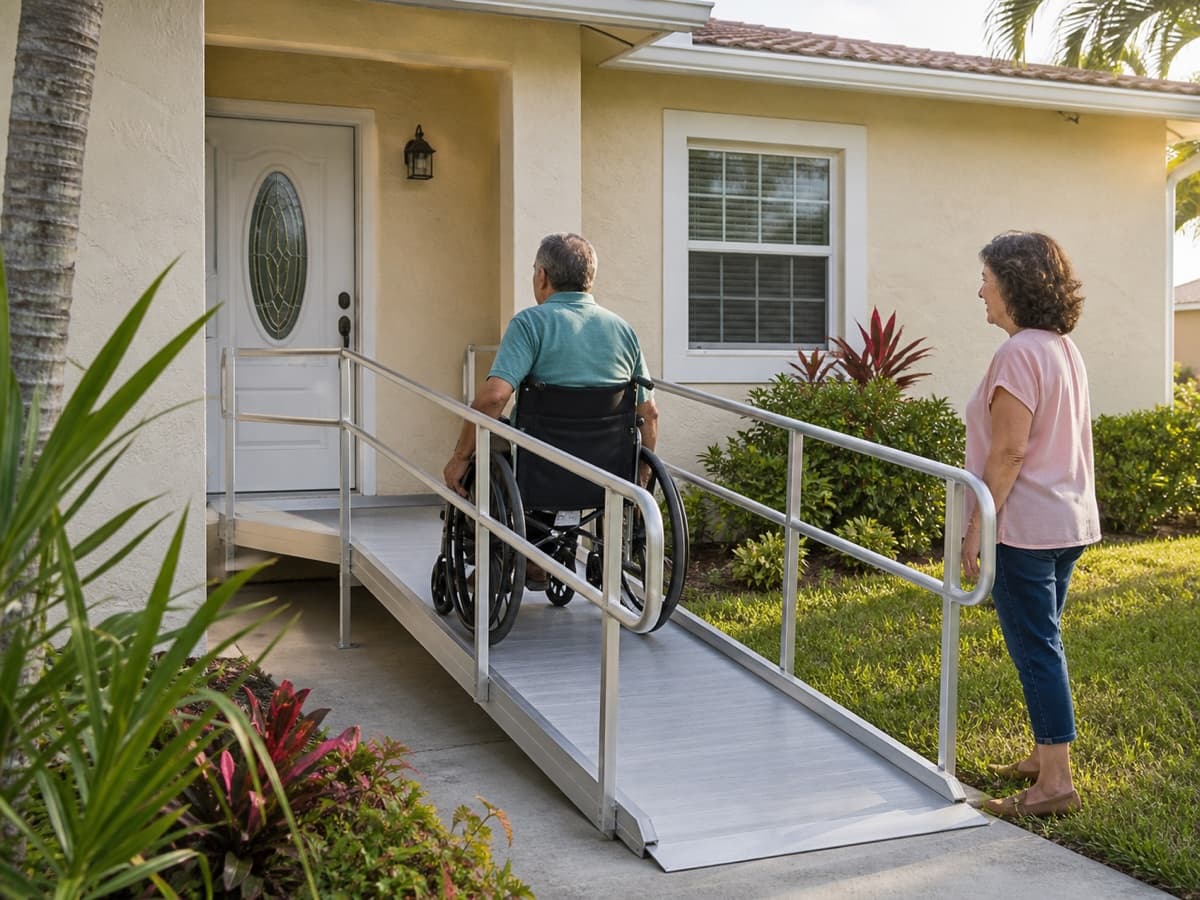
Rise and available run are only the start. Drainage, flood status, zoning, entry geometry, association rules, and exterior exposure can affect the practical layout.
Explore wheelchair ramps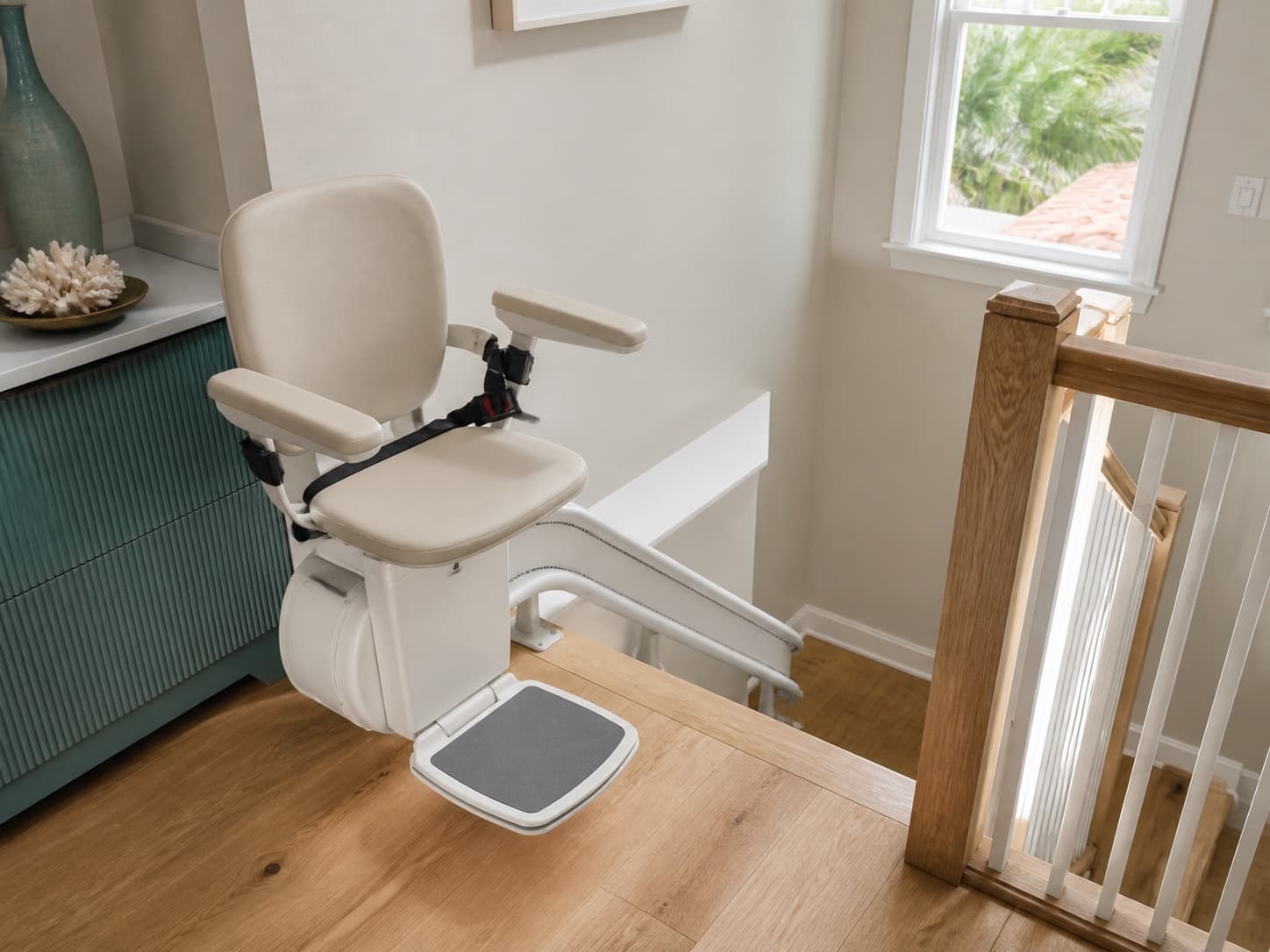
The staircase and rider must fit the equipment. The provider should also confirm any Miami-Dade elevator-safety, building, electrical, and property requirements for the setting.
Explore stair lifts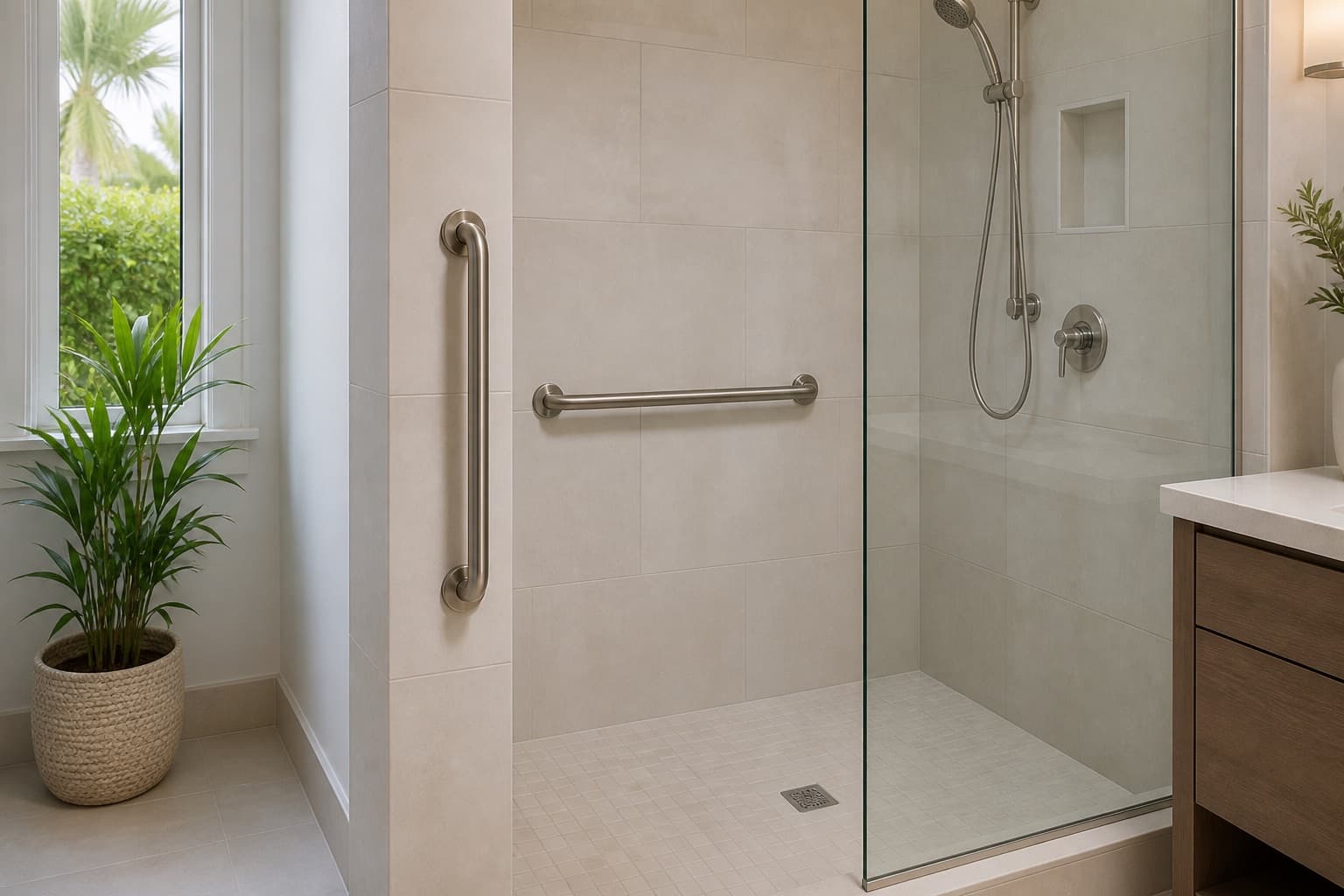
Placement should follow the transfer or balance need, while mounting follows the actual wall, tile, backing, concealed conditions, and building type.
Explore grab bars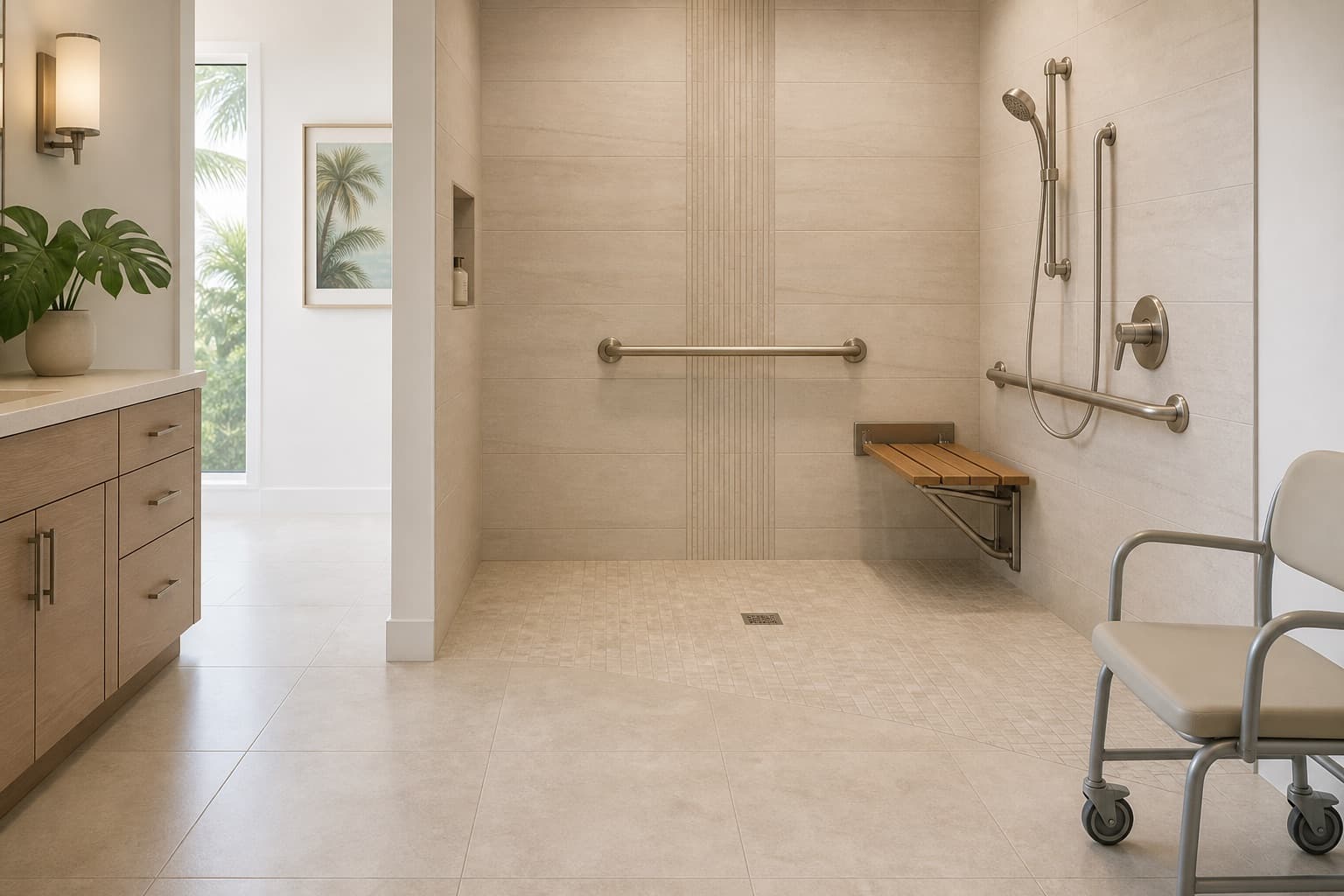
A low or curbless entry can depend on the drain, floor or slab, plumbing, waterproofing, transitions, and—in a condominium—common structural or plumbing systems.
Explore accessible showers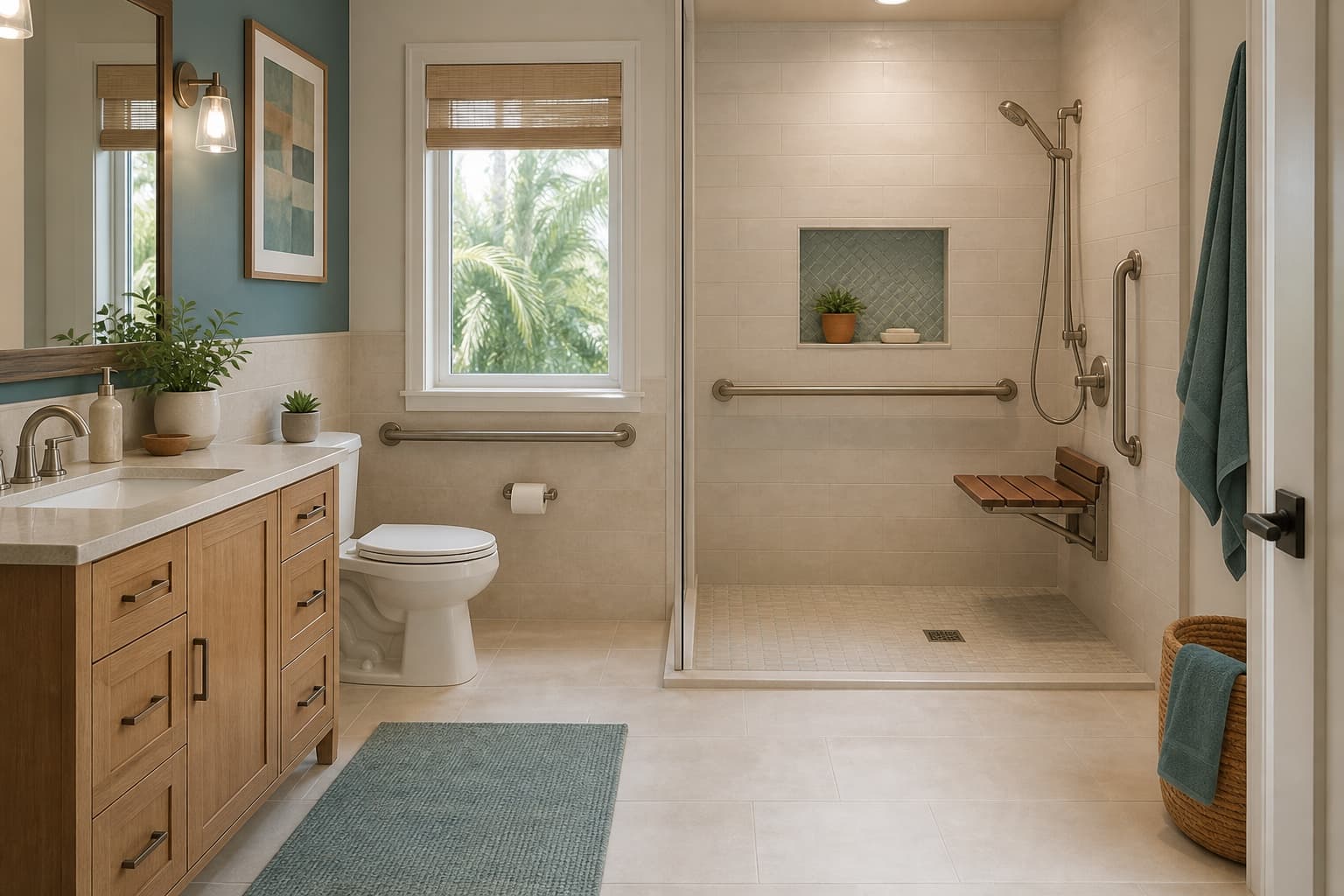
The best plan may combine support, seating, lighting, traction, reach, toilet access, and a clearer walking route instead of relying on one product.
Explore bathroom safety upgrades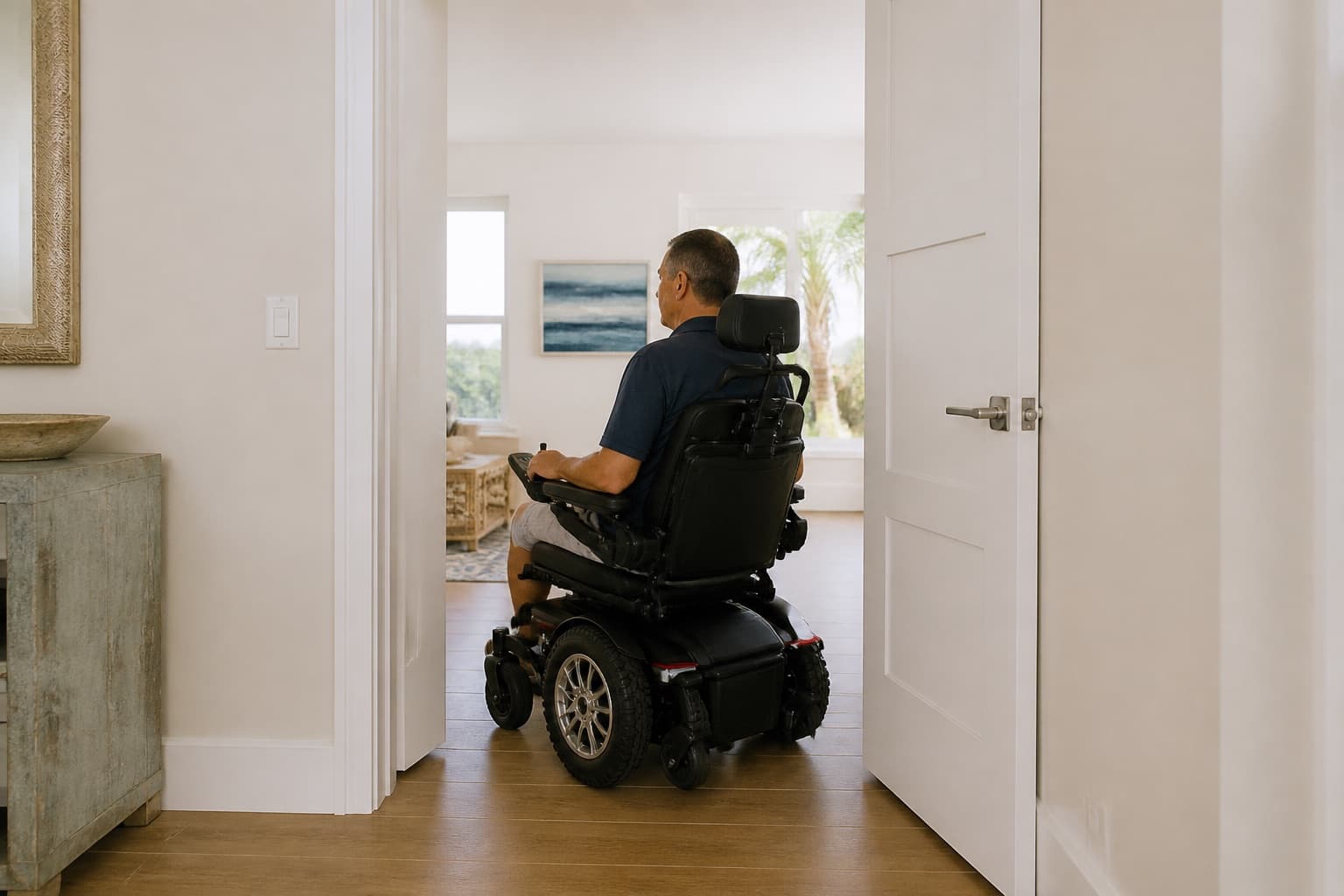
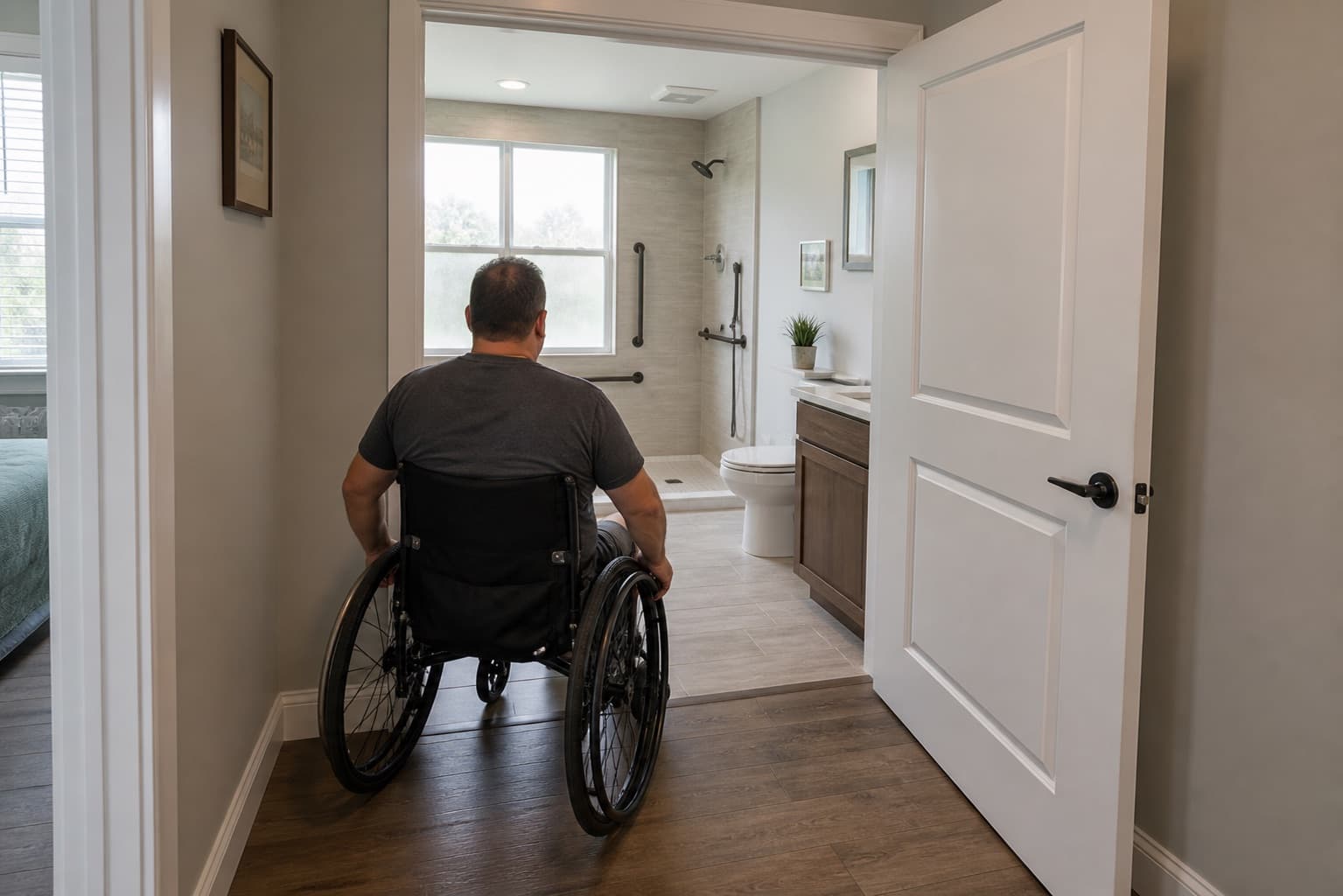
Interior clear-width improvements and exterior opening alterations are different projects. Exterior work can add High-Velocity Hurricane Zone, structure, weatherproofing, and product-approval questions.
Explore doorway wideningBudget planning
Our 2026 guides explain the variables behind ramp, stair-lift, bathroom, and doorway project prices before you request a site-specific quote.
What is different locally
The same accessibility goal can lead to a very different scope depending on the address, building type, and whether the work reaches regulated systems or the exterior envelope.
Unincorporated properties generally use Miami-Dade permitting, while incorporated municipalities have their own building officials. County reviews can still overlay some municipal projects.
Exterior doorway and opening changes must be planned around current wind requirements and an accepted product approval for the actual assembly—not a vague claim that a product is hurricane rated.
Flood status can affect the 2026 permit-exemption analysis. Exterior ramps and landings should also be planned so they do not trap or redirect water toward the entrance.
Wall, slab, corridor, balcony, exterior door, and plumbing changes can involve unit boundaries, common elements, association documents, management procedures, and engineering.
Permits and approvals
“Miami-Dade” is not one permit office for every property. The practical goal is to identify the authority having jurisdiction—the building or permitting authority responsible for the address and work—before construction begins.
Review our contractor standardsDetermine whether the property is inside a municipality or unincorporated Miami-Dade and identify any specialized County review.
Separate finish or mounting work from structural, plumbing, electrical, mechanical, gas, exterior-opening, or conveyance work.
Confirm flood-hazard status, property type, and whether a condominium, HOA, landlord, or common element is involved.
The contractor’s proposal should identify who confirms approvals, files applications, responds to corrections, schedules inspections, and closes permits.
Condos, rentals, and shared property
Before pricing final work, determine whether the affected wall, door, slab, corridor, railing, balcony, or plumbing component belongs to the unit, is a limited common element, or is maintained by the association. Renters may also need landlord coordination.
Fair-housing protections may be relevant to disability-related modifications in covered housing, but they do not turn every requested design into an automatic approval. Property-specific advice may be appropriate when rights or obligations are disputed.
Possible financial assistance
Check eligibility and obtain program approval before authorizing work. Application cycles and available funds can change.
Program status checked August 30, 2026
FY 2026–27 waitlist reported open
Miami-Dade says qualifying homeowners and tenants age 62+ may receive minor, nonstructural improvements such as grab bars, ramps, lighting, nonslip flooring, handrails, and lever handles. Income, need, an occupational-therapist visit, and lottery selection apply.
Check the current Miami-Dade program (opens in a new tab)Eligibility and authorization required
Florida Medicaid Long-Term Care includes a Home Accessibility Adaptation service for eligible members. VA HISA and SAH/SHA may help qualifying Veterans. Original Medicare should not be assumed to fund permanent home remodeling.
Review funding guidanceFunding is handled directly by each program. Confirm current terms, available funds, application status, and written approval before work begins.
Choosing local help
A grab-bar installation, plumbing-intensive shower, structural opening, and lift do not necessarily require the same credentials or experience. Compare proposals only after confirming that they cover the same work.
See how Safe In Place worksLocal questions
It depends on the address. Incorporated municipalities generally have their own building officials, while unincorporated properties generally use Miami-Dade permitting. County reviews can still apply to some municipal projects, so the contractor should confirm the authority for the address and work.
Miami-Dade uses a folio beginning with 30 as a signal that the property is in unincorporated Miami-Dade for its permitting guidance. Confirm the actual jurisdiction and any specialized reviews before work begins.
Not necessarily. Miami-Dade Notices of Acceptance are an important approval route, while Florida product approvals can also be relevant for High-Velocity Hurricane Zone applications. The contractor and local authority should identify the accepted documentation for the exact assembly.
Exterior widening can add structural, wind, water-management, anchoring, threshold, stucco, finish-restoration, and product-approval requirements that do not apply to a simple interior hardware change.
Miami-Dade identifies inclined stairway chairlifts within its elevator-safety materials, while Florida has a separate private one-family-residence regulatory exclusion. The provider should confirm which local elevator, building, electrical, and property requirements, if any, apply to the specific installation.
The County’s current program page says eligible homeowners and tenants age 62+ can be considered. Income, demonstrated need, an occupational-therapist visit, program availability, and lottery selection apply.
ADA Title III does not automatically govern a home used exclusively as a private residence. ADA dimensions can still be useful planning references, while building codes, fair-housing rules, association documents, and other requirements may apply depending on the property.
Other South Florida service areas
Enter a 5-digit ZIP code to check availability.
Tell us what has become difficult and where the home is. We’ll help you understand the options and the most useful next step.